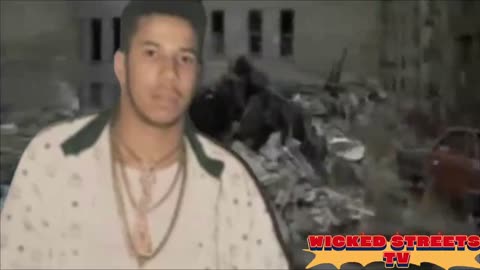
Yo, you know how grimy these streets get? Back in the 90s, the Bronx was straight blazing, both ways you could think of. When the feds ran down on this notorious coke trafficking operation, the whole city felt it. Led by the Velocice crew, this wasn't no basic corner gang. These cats wasn't just pushing product, nah, they was making statements with hammers, dynamite, and even grenades, hitting anybody who stepped out of line, whether it was rivals or business owners who played themselves. The feds came through with a 98 count RICO indictment, scooping up 22 heads from the organization, looking to dismantle what they called one of the most vicious and profitable narcotics operations New York City had ever seen. Law enforcement was pinning 15 murders on the Velocice squad, along with seven fire bombings and arson cases that had whole neighborhoods shook. This wasn't just about moving weight, these dudes ruled through straight terror. For years, they left their mark, stacking bread and leaving devastation behind them. Even in a city known for ruthless drug crews, the Velocice Organization stood out. The head honcho, 41-year-old Velocice, wasn't just out here running a money-making drug empire, he was cold-blooded with it. Already facing time in another case, he caught new charges for ordering hits on anybody he even suspected of crossing him, including former members he thought robbed the crew or turned rat. But yo, he ain't stop there. His hit list included civilians who had nothing to do with the drug world, which just added more madness to his already notorious name. Then you got David Rosario, known in the streets as Chikibu the Emperor. His name stayed ringing bells, not just for that infamous rooftop murder we gon' talk about later, but for a whole trail of bodies he was charged with alongside Velocice and the rest. Whether his status in the streets made him a target for the feds, or they really had solid evidence on him, one thing's for certain, Chikibu's name stayed in the federal conversation. At one point, word was he and 16 others got caught up in the same indictment, though how everything played out adds more layers to his story. While most of his co-defendants took plea deals, Chikibu stood firm and refused to fold, forcing the system to take him to trial by himself. His decision to hold it down earned him mad respect for keeping it honorable, a rare thing in a world where loyalty crumbles under pressure. Details about Chikibu's early life stay foggy, unless you was really out there. Some say he's from Hunts Point, which makes sense if you connect the dots. Back in the day, Chikibu and a crew of young hustlers, including a cat named Loss, used to hang at the Kacita Maria Center on Simpson Street before it got shut down. That spot was a hub for neighborhood kids, a place that might've planted seeds for who they would become later on. Paulie, a few years younger than Chikibu, was also making noise in the South Bronx, stacking his own paper and building his reputation in the streets. At some point though, their relationship went left. They fell out, and folks who was around back then say it was really a shame because they had history. Paulie wasn't just some small-time player neither. Word on the streets was he had multiple bodies attached to his name, solidifying his status as someone you didn't want problems with. As for Chikibu's origins, some say he came from Bryant Avenue, leaning more toward the Westchester West Farm side. Others link him to Hunts Point, but wherever he was from, his name traveled far. Back then, it was said that he sold $12 bags of dope, a price that stood out in those times. His operation was no joke neither. He had spots all over the Southern Boulevard area, including around Freeman Street and Home Street, with his crew pulling in thousands daily. That whole stretch, Longfellow Avenue and key parts of Southern Boulevard, was basically Chikibu territory. He supplied the block and kept the cash flowing, controlling a network that cemented his reputation as a boss in the South Bronx streets. Allegedly, Chikibu was right up there with the likes of Boy George, one of the Bronx's most infamous kingpins. There's even a story floating around that Boy George once gave Chikibu one of his whips, might be a myth, but it speaks to the level of respect they had for each other. Chikibu's name was also linked to Alpo Martinez, with some saying the two shared time together and even rode bikes like they was cool on a personal level. In the streets, Chikibu was known as a solid dude to the people who knew him. He had a reputation for looking out, especially for the shorties. They say he'd buy out the whole ice cream truck whenever it came through the block, just to make sure the little ones got something sweet. His name carried weight far beyond his business dealings. He was part of the Bronx's cultural DNA and even got shout outs from legends like Fat Joe and Big Pun. Back in those days, if you knew the scene, you knew Chikibu and his crew was at all the spots, whether it was clubs, parties or block gatherings, they made their presence known. The Bronx was full of Spanish-run enterprises back then, each holding down their own corners of the drug game. It wasn't uncommon for some crews to do business together, or at least cross paths, and Chikibu's operation was no exception. His influence wasn't just about money, it was about culture, connections, and how he moved in the streets. Chikibu's operation wasn't the only name making noise in the Bronx during that era. The streets had their own ecosystem, and different crews defined their blocks. Over in Hunts Point, you had the Whole Avenue crew led by Shorty holding it down. Around Bryant Avenue, it was a whole different vibe with the Nasty Boys and the Bryant Avenue Boys running the scene. In fact, Buzzy, a prominent figure in one of those crews, was actually the father of Buga, connecting even more dots in that Bronx underworld. Then there was the BNS crew, Beating Ninja Silly, making their mark over in the Longwood section just a stone's throw from Hunts Point. BNS wasn't just known for getting money and putting in work, they also had their name immortalized in a track recorded by King Sun, paying homage to their presence. And let's not forget DJ June and his squad, who operated in that same area, leaving their stamp on both the streets and the culture. The Bronx in that era was like a chessboard where every block had its players and connections between crews were as common as the rivalries. These wasn't isolated operations, they were part of a bigger web where alliances and favors kept things moving. If you had the right connect, could get your hands on some keys, and had a solid operation breaking down product into smaller quantities, the money came fast. In some cases, the ones running the blocks was raking in more than the suppliers themselves. Kingpins was everywhere, big names and low-key heavy hitters alike, each holding down their territory while navigating a complex game of power, loyalty and survival. Leaders of different organizations would sometimes step in for each other, even putting in work when it came to hits. It wasn't just about the money, it was about reputation, influence and keeping the operation strong. Chikibu was a boss in his own right, but his downfall came as part of a larger operation, the Velasquez organization. From the late 80s into the early 90s, Ramon Velasquez led a network that moved serious weight, pushing multi-kilogram shipments of cocaine across the New York City metro area. This wasn't small-time hustling, the operation was raking in millions annually. The Velasquez organization had connections far and wide. They secured their product from suppliers across the US and even international sources. Once the shipments landed, key members within the crew handled the distribution, getting that work into the hands of dozens of customers all over NYC. The scale of the operation put them in a league of their own, and their reach stretched far beyond the Bronx. The Velasquez organization didn't just move weight, they ran a full-fledged operation with structure and precision. Their regular customers wasn't just casual buyers, these was serious players who bought in bulk, flipping the product through their own street-level networks. This setup allowed the organization to keep their supply moving and their profits stacking. At its peak, Velasquez had about 20 individuals on the payroll, all operating under his direct orders. These wasn't freelancers neither, this was a tightly-run crew, with members getting paid weekly in cash. Their roles was clear-cut, making deliveries to clients, collecting the money, handling security, and when necessary, putting in the work to keep the operation protected and feared. Chikibu was one of these key players, a lieutenant who understood the game at the highest level. His connections, his reputation, and his ability to move product made him valuable to the organization. But when the feds started closing in, when the indictments started dropping and bodies started falling, Chikibu's loyalty to the streets and his refusal to cooperate made him a marked man in more ways than one.
The federal case against Chikibu and his co-defendants was built on years of wiretaps, informant testimony, and surveillance that painted a picture of a ruthless criminal enterprise. Witnesses testified about the violence, the drug transactions, the money laundering operations that kept the whole thing running smooth. But Chikibu wasn't trying to hear none of that. While other cats were cutting deals, taking reduced sentences in exchange for testimony, Chikibu maintained his silence. He took his case to trial, betting on the strength of his silence and the weakness of the prosecution's case. It was a gamble that showed the kind of heart he had, the kind of conviction that few in that world possessed. Whether it was respect for the code, fear of retaliation, or genuine belief in his innocence, Chikibu's refusal to flip stood as a monument to a different era of street life.
The legacy of Chikibu the Emperor is one that carries weight in Bronx folklore to this day. He represented the intersection of hustler and humanitarian, a man who built an empire but never forgot where he came from or who helped him get there. His story is a cautionary tale about the rise and fall of the drug trade's golden era, but it's also a testament to the complexity of street life itself. The Bronx in those years produced figures who were more than just criminals—they were cultural icons, businesses innovators, and community figures who defied simple categorization. Chikibu's refusal to cooperate with authorities, his choice to face trial alone rather than betray his organization, and his reputation for taking care of those around him created a legacy that transcended the violence and devastation his era brought. Today, decades later, his name still carries respect in certain circles, spoken with a mix of nostalgia and cautionary reverence by those who remember when the South Bronx was ruled by kings who moved product and lived by codes that no plea bargain could break. Chikibu the Emperor didn't just make money—he made history, and that's something that can't be taken back, no matter how many bodies hit the ground or how many years got served. That's the real weight his name carries.
The federal case against Chikibu and his co-defendants was built on years of wiretaps, informant testimony, and surveillance that painted a picture of a ruthless criminal enterprise.